
Come Away and Rest
A guide to personal spiritual retreats, with Alyson Pryor

Over the next three weeks, you’ll be hearing from other writers. Thanks for giving them your attention—and how about a little encouragement in the comments, too? You’ll be entered to win a copy of Alyson’s book!
Today, I’m interviewing Alyson Pryor.
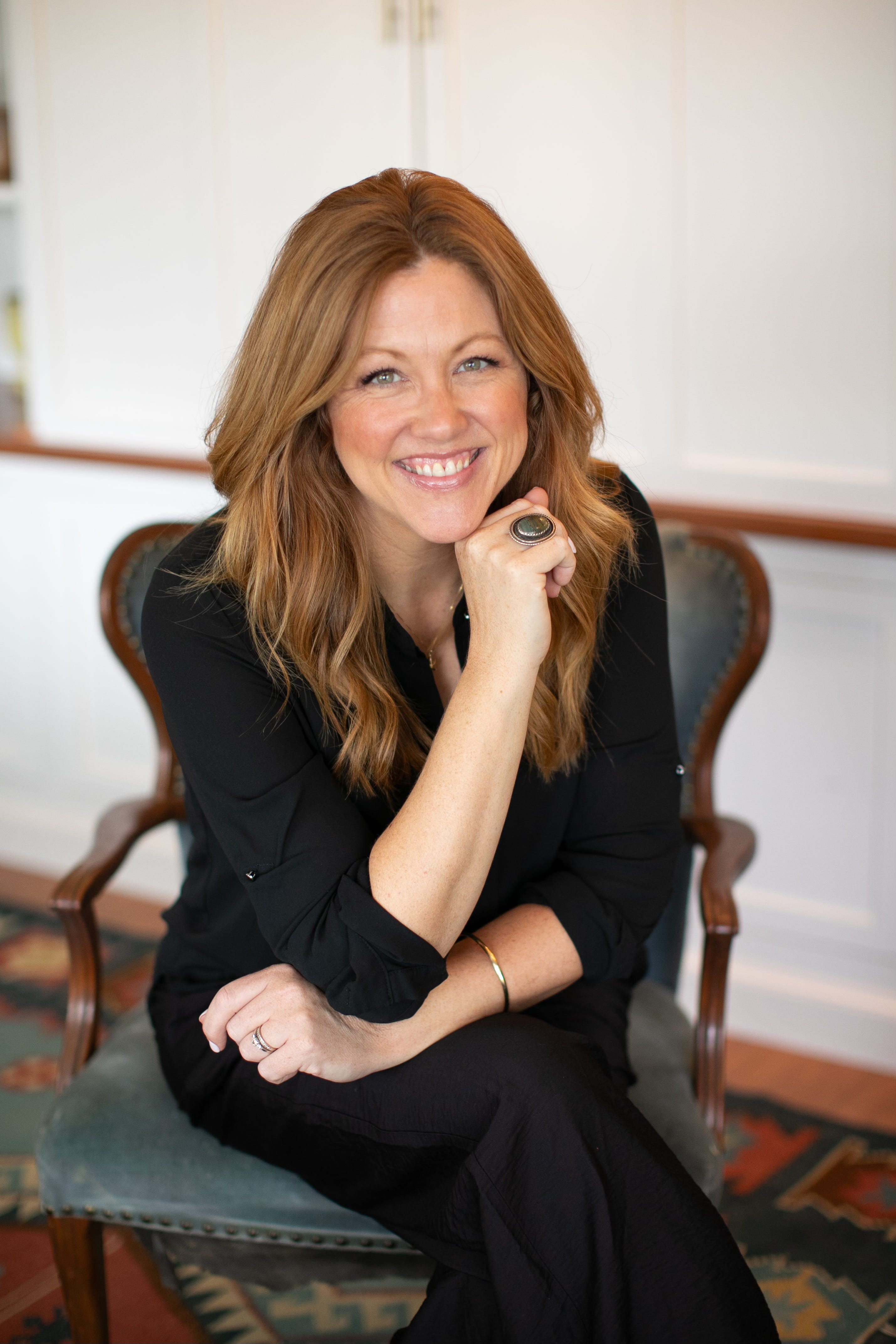
Alyson Pryor is a trained marriage and family therapist and a certified spiritual director. She holds degrees in psychology from both the University of Southern California and Fuller Theological Seminary, as well as an MA in Spiritual Formation and Soul Care from Talbot Seminary. The author of Come Away and Rest: A Guide to Personal Spiritual Retreats, Alyson currently serves as a staff spiritual director and adjunct faculty member at Biola University. Alyson and her family live in Southern California. You can follow her on Instagram.
J: Why is rest important as a regular spiritual practice?
A: When we hear the term “spiritual practices” or “disciplines”, I think part of the appeal is that they offer us something to “do” in our relationship with God. In my work as a spiritual director, so many of my conversations circle around that gooey middle space between God’s action in our lives and our own. Many people I work with wonder if they are doing enough activity for God (reading Scripture, praying, serving), which makes rest a tricky practice, as it is not something more to do but something to cease from.
Scripture offers us a bold description of Jesus who, “often withdrew to lonely places and prayed.” (Luke 5:16) Jesus modeled a rhythm of life that included regular and intentional time away with God. We often pay attention to Jesus’ actions: Jesus went here, Jesus healed this person, Jesus taught this sermon. We seek to emulate these actions as we practice spiritual disciplines within our rule of life. Yet many of us have not connected the abundant life Jesus offered with the pace at which he lived it.
This leads us to more easily categorize God’s approval of us by our actions, by what we do. I’ve heard sermons on God’s desire to use us. God designed us to co-labor with him in the redemption of the world, a worthwhile endeavor and quantifiably pleasing to God. But what about other things? What about when I read, or hike, or watch the sunset, or paint my daughter’s nails? What about when I am unproductive? If the goal is to be used by God, which I would say is the goal for many of us, what about when we are not useful?
It’s often much easier to do for God than rest in God, and God calls us to many good things. But we have lost the essential rhythm of Jesus within these things. Jesus knew that the more he engaged with the brokenness of those around him—those wanting healing, wanting food, wanting help, wanting deliverance—the more he needed that essential rhythm of coming away with the Father in rest.
J: What does your book offer to people considering a personal spiritual retreat?
A: I opened the book with my own struggle to find rest. I had five kids and nine years, and my husband, who works as a first responder, is often gone for days at a time. I began to suffer from panic attacks, and realized the kinds of rest I had been seeking were not making the cut. I was seeking rest the way many of us do: consumption via constant scrolling, food, people, media, unlimited streaming…putting more and more items in my online cart.
I had become aware of a level of deep exhaustion, aware of a sense of complete overwhelm, aware of my soul’s hunger yet unsure what to feed it. I realized I needed to retreat to a place devoid of screens or distractions or things I could buy, I needed sacred space to enter sacred time with God. This paradox of being overfed but malnourished is what drove me to a practice of personal retreats.
Yet when I began to practice retreating, I faced questions: what am I supposed to do on retreat? Now that my kids are in school, should all 6 hours and 45 minutes of this time be unceasing prayer? Was I allowed to read, or eat, or nap or stare off into space? Was I allowed to paint, or hike or play? And really, for me, someone who was either working in ministry or working as a mom, I guess my most central question became about whether or not I was allowed to not work. My soul was asking: not only am I allowed to rest, but did God delight in me when I rested?
I learned that rest, like eating, is learned, ingrained, and absorbed into our bodies through routine. I had to regularly practice that I was loved apart from what I could accomplish or produce. I had to allow the Holy Spirit to retrain my need for efficiency and productivity, moving me from someone who is used by God into someone who is loved by God.
J: What’s the single best piece of advice you might give to someone who wants to make retreat a regular rhythm in their lives?
A: For those who long for time away with God, I say, begin there. Begin with your longing, with your desperation, with your dissatisfaction with the forms of rest you are seeking that are not restoring your soul. We must be tired enough of counterfeit forms of rest to seek something better. Take Jesus at his word in Matthew 11:29, that if we come to Him, we will find true rest for our souls. To those who knock, the door is opened and those who seek, find.
Trust that God wants true rest for you and that He can guide you into it.
I had to move from listening to reading this as I got tired of hitting the repeat/rewind button. So many helpful thoughts in this and captures much of where I’m at: learning that I am loved by God apart from what I can produce or accomplish
Thank you!
Book now in queue; thanks for another timely recommendation and for sharing the interview!